Arched entrance and softly lit dining room at Hotel de Ville in Philipsburg, Sint Maarten

Key Hotels & Resorts Welcomes Hotel de Ville in Sint Maarten

KHR PARTNER NEWS · SINT MAARTEN · DECEMBER 1, 2026

Key Hotels & Resorts is pleased to welcome Hotel de Ville in Sint Maarten through a new distribution partnership beginning December 1, 2026. The independent, 28-room boutique hotel brings French-inspired design and an intimate townhouse atmosphere to the historic heart of Philipsburg.

European elegance, Caribbean warmth

Hotel de Ville has a character all its own. Travertine finishes, warm wood and thoughtfully detailed interiors create a refined setting, while its location places guests close to the life of Front Street and Great Bay.

Across eight room categories, the outlook changes with the setting: the island’s green hills, the city, or Great Bay and the marina. Selected rooms offer terraces, giving guests their own place to pause and take in the surroundings.

It is a hotel for travelers who appreciate a personal scale and a sense of place. Whether visiting Sint Maarten for a few days of discovery, a business stay or a longer island escape, guests have a welcoming base in the capital.

A partnership focused on distribution

Beginning December 1, KHR will support Hotel de Ville’s reach through selected booking channels. The partnership brings distribution expertise to a property with a distinctive proposition, helping connect its offering with relevant travelers and travel partners.

The focus is clear: present the hotel accurately, support its visibility and make its rooms easier to discover and book. Hotel de Ville’s own team continues to lead the property and its guest experience.

For KHR, the addition reinforces our commitment to independent hotels across the Dutch Caribbean. Every partnership begins with the qualities that make the hotel itself worth choosing.

We warmly welcome Hotel de Ville and its team, and look forward to supporting this new chapter in Philipsburg.

Discover Hotel de Ville · Explore a partnership with KHR

Key Hotels & Resorts Welcomes Scenery Hotel Saba

KHR PARTNER NEWS · SABA · DECEMBER 8, 2026

Key Hotels & Resorts is delighted to welcome Scenery Hotel Saba to its collection of independent hotels. Set in Windwardside at the foot of Mount Scenery, this boutique retreat brings a distinctive island experience to KHR’s Dutch Caribbean portfolio.

A stay shaped by Saba

Saba’s appeal is unmistakable: green volcanic slopes, rainforest trails, remarkable diving and the easy familiarity of village life. Scenery Hotel places guests within this landscape, with 30 rooms and suites and views that connect the stay to the island around it.

The experience moves naturally between exploration and relaxation. A morning on the trails can give way to time beside the pool; a day discovering Saba’s underwater world can end with a quiet moment overlooking the Caribbean. At the hotel, Pardon My French adds French-inspired dining to the setting.

From ocean-view rooms and cottages to the Scenery Suite, the accommodations offer different ways to enjoy a destination known as the Unspoiled Queen. The shared attraction is a sense of space, scenery and a slower island rhythm.

Independent character, broader opportunity

For KHR, Scenery Hotel is a welcome addition to a portfolio built around hotels with a clear identity. Our approach starts with that identity: understanding what makes a property compelling and helping the right travelers discover it.

We believe strong commercial representation should make a hotel’s individual character more visible. Scenery’s setting, intimate scale and connection to Saba give it a distinctive story to share with guests and travel partners.

We warmly welcome the Scenery Hotel team to the KHR collection and look forward to the next chapter.

Discover Scenery Hotel Saba · Explore a partnership with KHR

Hotel Promotions That Address Need Periods Without Defaulting To Discounts

A quiet week does not automatically call for a lower public rate. Before launching an offer, an independent hotel needs to know which nights need demand, which guests it can realistically reach and how much revenue it will retain after the offer’s costs.

The objective is not simply to generate bookings. It is to attract stays that improve the hotel’s commercial position without unnecessarily discounting business that would have booked anyway. A short promotion brief makes that decision easier to explain, execute and review.

Start With The Stay Dates, Not The Discount

Identify the precise need period by arrival date, day of week and room category. Review current bookings, recent pickup, cancellations and the remaining booking window. Compare equivalent periods, allowing for changes in holidays, events and available inventory rather than treating last year’s calendar as a perfect match.

Separate a genuine demand gap from a distribution problem. If the hotel is not appearing for the intended stay pattern, check availability and restrictions before funding a promotion. KHR’s booking-path audit provides a practical starting point.

Choose A Guest And A Reason To Book

“Everyone who wants a cheaper room” is not a useful audience. Define a plausible segment and a stay proposition: a midweek leisure break, a longer stay during a quieter period or an additional night around an existing trip. Match the message to the hotel’s actual facilities and access, and do not promise an experience the property cannot deliver.

Then choose the channel that can reach that audience. An offer to past guests, a paid campaign and an online travel agency promotion have different reach, costs and eligibility rules. Use only audiences and marketing permissions the hotel is entitled to use.

Compare Discounting With Added Value

A lower price is one option. Another is an inclusion that matters to the target guest and has a manageable delivery cost. Compare the two rather than assuming an included benefit is free to the hotel or automatically more attractive.

Work from the expected retained revenue, not just the headline rate. On a consistent basis, subtract the applicable acquisition costs, incremental servicing costs and the cost of included benefits. Keep taxes and pass-through amounts separate, and confirm the actual commission basis and payment charges before calculating.

For illustration only, consider a $200 room rate reduced by 10% to $180. If a 15% commission applies to that $180 room amount, $153 remains before other costs. At the undiscounted $200 rate, the same commission leaves $170. The promoted booking therefore contributes $17 less before any other differences. These are hypothetical figures, not KHR pricing or a recommended offer.

Protect Nights That Do Not Need Help

Define the booking window and eligible stay dates separately. Consider exclusions for strong-demand dates and decide which room categories can participate. Where a minimum stay supports the objective, test whether it also prevents the very bookings the hotel wants to attract.

Check how the offer interacts with existing mobile, member, advance-purchase and other promotions. Do not assume discounts combine additively, or that they cannot stack. Verify the resulting guest-facing total and conditions on each participating channel before launch.

Set the commercial boundaries in writing: eligible audience, room types, stay dates, booking dates, cancellation terms, inclusions and inventory limits where supported. Any proposed change should follow the hotel’s approval process and applicable channel agreements.

Measure More Than Promotional Bookings

Before launch, record the baseline and decide what would justify continuing, changing or ending the offer. Useful measures include booked and stayed room nights, cancellation levels, net room revenue, length of stay and the cost of acquiring the bookings.

Track total hotel pickup alongside promotion pickup. Ten reservations using a promotion code do not prove ten additional reservations. Some guests may have shifted from another rate or channel. A comparable non-promoted date set or a limited test can help evaluate the result, but seasonal differences and a small sample should remain explicit limitations.

Review results during the offer and again after the stays have occurred. Reservations on the books are not the same as realized revenue. Keep the interpretation proportionate to the evidence rather than attributing every change to the campaign.

Give The Offer An Owner And An End Point

A useful promotion brief can fit on one page: the demand gap, target guest, eligible dates, offer economics, distribution route, approval owner and review date. Name who will remove or revise the offer, then verify that the change is reflected in the booking journey.

A successful test becomes evidence for the next decision, not a permanent discount by default. The goal is a repeatable process that connects a specific need period to a commercially sound offer.

Key Hotels & Resorts supports independent hotels with revenue management, forecasting and promotion evaluation. Contact KHR to discuss a focused commercial review for your property.

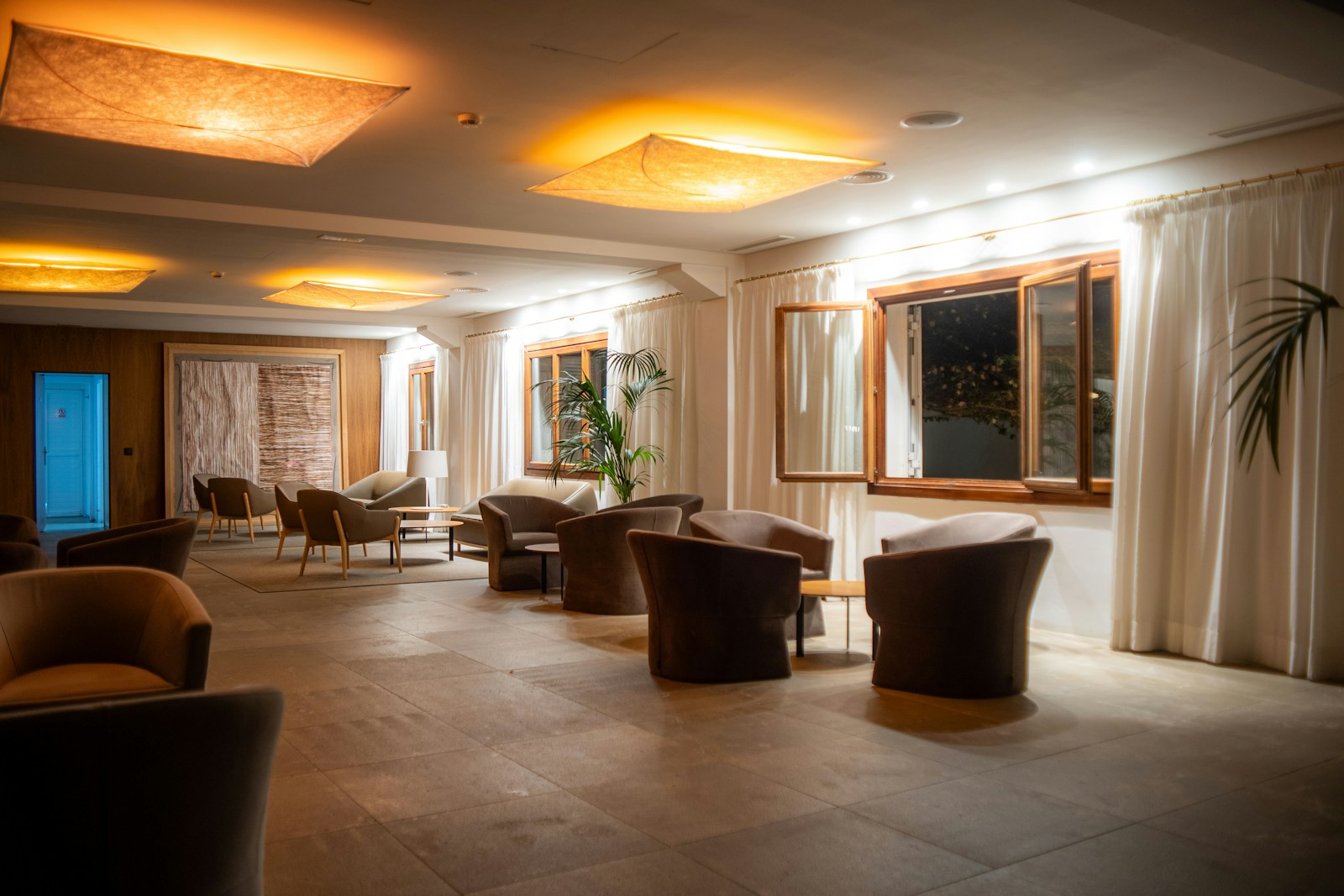
Illustrative stock photograph by Nereid Ndreu on Unsplash. It does not depict a named KHR client.

Can Guests Book What You Intend To Sell? A Hotel Booking-Path Audit

A hotel can have rooms available in its property-management system while a guest sees no suitable offer online. The cause may be a restriction, a room-type mismatch, an incomplete rate plan or a difference in the search itself. Before changing prices to solve a demand problem, check what the guest can actually book.

A focused booking-path audit gives independent hotels a practical way to separate commercial choices from technical faults. Keep the first pass read-only: inspect the journey, record evidence and route any proposed changes through the hotel’s approval process.

Define A Small, Repeatable Test

Choose a representative set of future stays rather than searching one convenient date. Include a weekday, a weekend, a known busy period and a quieter period. Compare a one-night stay with a longer stay where relevant. Record arrival and departure dates, number and ages of guests, room category, currency and the time of the check.

Use the same search conditions on the direct booking engine and the channels being reviewed. A mobile-only, member-only or packaged offer should be identified separately. It is not evidence that the standard public offer has been distributed incorrectly.

Check Availability Before Comparing Prices

Start with the inventory the hotel intends to sell. Confirm whether the room type and rate plan are open for the selected dates, then inspect the guest-facing results. A visible hotel listing is not proof that every intended room or stay pattern is bookable.

When an offer is missing, investigate minimum-stay rules, closed-to-arrival or closed-to-departure restrictions, occupancy limits and rate-plan availability. An intentional restriction should remain distinct from a suspected mapping fault. Do not remove a rule just because it prevents one test search from returning a result.

Compare The Same Product

Match the room category, occupancy, bedding information, meal plan, cancellation conditions and payment timing. Similar room names can conceal different products. A prepaid room-only offer should not be presented as directly equivalent to a flexible rate with breakfast.

Check the full stay total and its currency. Record taxes, mandatory fees, included services and amounts payable at the hotel separately when shown. A difference in the first displayed nightly price may disappear or grow later in the journey. Without a consistent basis, record an apparent difference for investigation rather than declaring a parity failure.

Follow The Journey To The Decision Point

Move through the booking path far enough to inspect room selection, rate conditions and the final review screen, without submitting a reservation or payment. Check whether dates, occupancy, inclusions and totals remain consistent as the guest progresses.

Review the journey on a phone as well as a desktop. Look for unreadable terms, controls hidden behind banners, unclear error messages and unexpected redirects. Note the exact step where the problem appears. A screenshot of a general homepage gives a support team much less to work with than the search inputs and the affected offer.

Create A Useful Exception Record

For each finding, capture the channel, search conditions, timestamp and time zone, expected result, observed result and supporting screenshot or URL. Avoid including guest personal information or payment details. Identify who owns the next investigation: the hotel, booking-engine provider, channel manager or distribution partner.

Keep the evidence and the hypothesis separate. “The two-night search returns no offer” is an observation. “The channel has not received the minimum-stay update” is a possible explanation until the relevant system records support it. This distinction keeps troubleshooting focused and avoids repeated, unnecessary configuration changes.

Verify The Result After An Approved Change

A supplier’s acknowledgement is useful progress, but it does not establish that the guest journey is working. After an authorized correction, repeat the original search and compare the result with the recorded expectation. Allow for a documented propagation delay where the systems require one.

Close the exception only when the relevant outcome is verified, or clearly record any remaining limitation. Keep recurring issues together so the team can see whether the same room, rate plan or stay pattern is affected again.

Make Booking Checks Part Of Commercial Routine

Use the audit before a major campaign, after a material distribution change and whenever production falls unexpectedly on a specific channel. Keep the test set small enough to repeat, then expand it when the evidence points to a broader problem.

KHR’s distribution and channel-management services support independent hotels in organizing their distribution setup. Contact Key Hotels & Resorts to discuss the channels and booking paths your property needs to review.

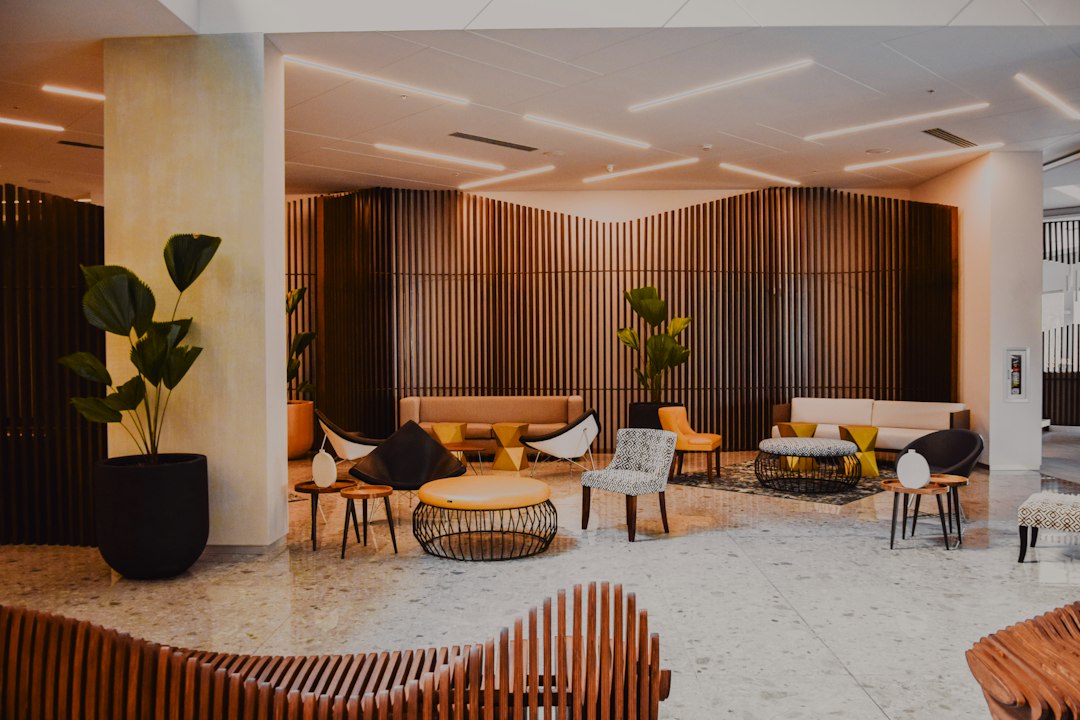
Illustrative stock photograph by Frames For Your Heart on Unsplash. The image does not depict a named KHR client.