

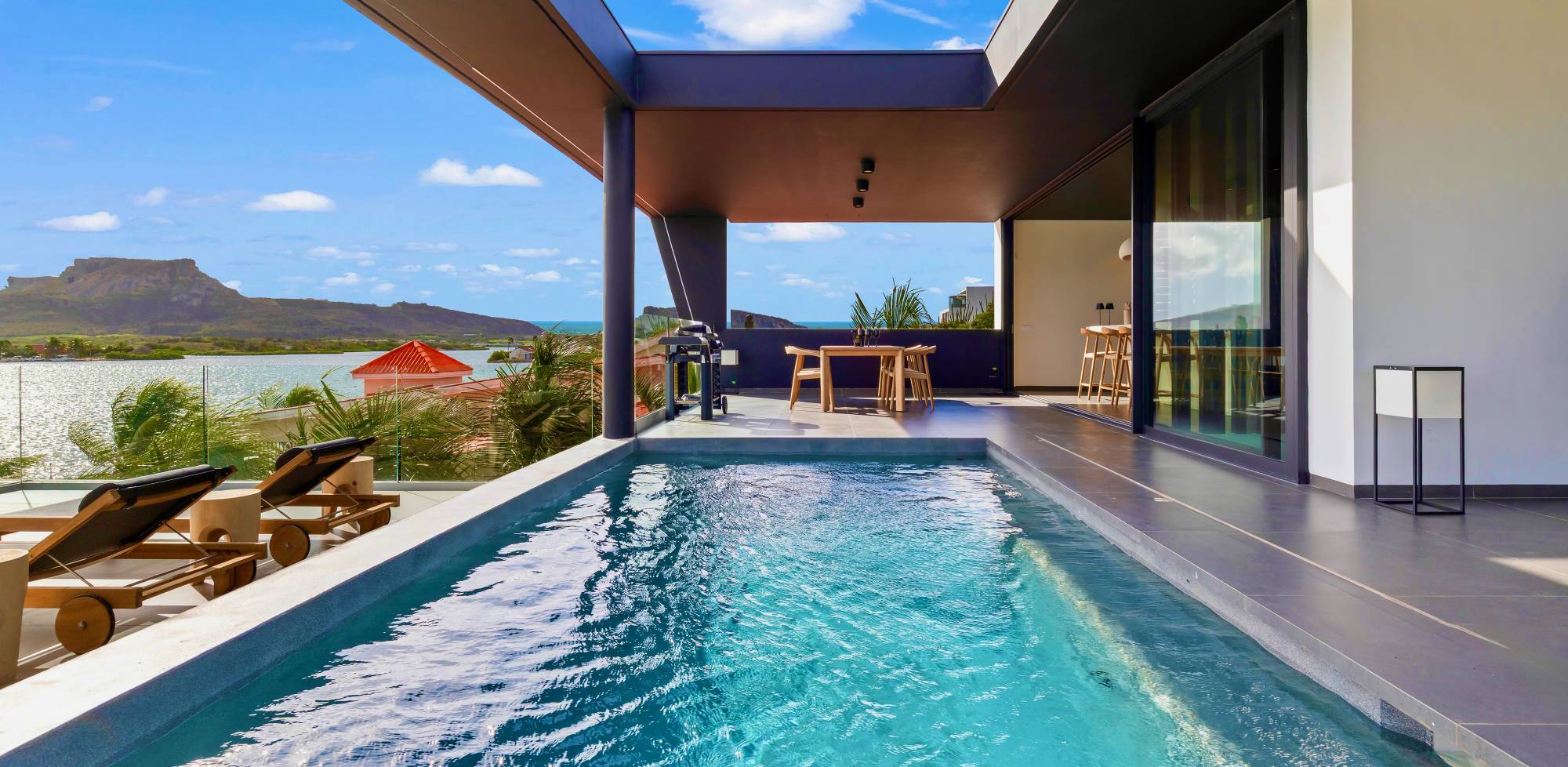
Villas compete in a crowded market where guests can compare thousands of homes in minutes. Major OTAs provide essential visibility, but long-term performance depends on a clear commercial identity and demand sources that the operator can influence directly.
Effective villa marketing combines the storytelling of a luxury residence with the discipline of hotel revenue management. The property needs a distinctive promise, professional merchandising, responsive service and distribution choices that support net revenue.
Key takeaway
Market the complete stay, not only the architecture. Guests choose a villa because of who they are traveling with, how they want to spend their time and how confidently the property can deliver the experience.
Define the ideal stay occasion
A villa may be suited to multigenerational trips, groups of friends, destination celebrations, executive retreats or longer remote-work stays. Each occasion has different questions about privacy, bedrooms, service, transport and shared space.
Choose the highest-value occasions the property can serve exceptionally well. Photography, descriptions, packages and partnerships should then reinforce those use cases instead of trying to appeal equally to every traveler.
Merchandise space with precision
Show the relationship between indoor and outdoor areas, bedroom configurations, views and shared amenities. Accurate floor plans and clear occupancy details reduce uncertainty for the person coordinating the trip.
Describe service inclusions precisely. Guests need to understand whether housekeeping, concierge support, chef service, transfers or beach access are included, optional or unavailable. Clarity protects both conversion and expectations.
Build a direct demand engine
A dedicated website should communicate the property’s value and make inquiry or booking straightforward. Destination content, paid search, social proof, email follow-up and repeat-guest communication can gradually produce demand outside the largest marketplaces.
Direct acquisition still has a cost, so track media spend, sales time, payment fees and conversion. KHR’s hotel digital marketing approach connects campaigns with availability and revenue objectives.
Diversify distribution selectively
Beyond major OTAs, consider specialist villa platforms, travel advisors, luxury agencies, destination partners and corporate or retreat planners. Each channel should earn its place through reach, guest fit and net contribution.
Maintain consistent rates, policies, content and availability across partners. Accurate mapping is especially important when a villa can be sold as a whole property or in different configurations.
Apply revenue management to villas
Use booking pace, lead time, length of stay and event demand to guide pricing. Protect peak periods with sensible minimum stays, and use value-led offers to stimulate shoulder dates without weakening the headline position.
Evaluate the entire stay value, including add-on services and operational costs. A higher nightly rate is not automatically more profitable if the booking creates unusual servicing or acquisition expense.
Frequently asked questions
Do individual villas need their own website?
A dedicated website can strengthen credibility, storytelling and direct conversion, especially when it is supported by an active marketing and follow-up plan.
Should a villa list on every available platform?
No. Prioritize channels that reach the right guests, integrate reliably and produce acceptable net revenue. Too many weak channels increase complexity and error risk.
How is villa revenue management different from hotel pricing?
Villa inventory is more limited and stays often involve larger groups, longer lead times and minimum-stay decisions. Each booking can materially change the remaining opportunity.
Build a stronger commercial strategy for your villa
KHR brings revenue management, distribution, digital marketing and direct-booking expertise to professionally operated villas and collections.